PROJECT 2022
Long-Term Energy Planning (PELP)

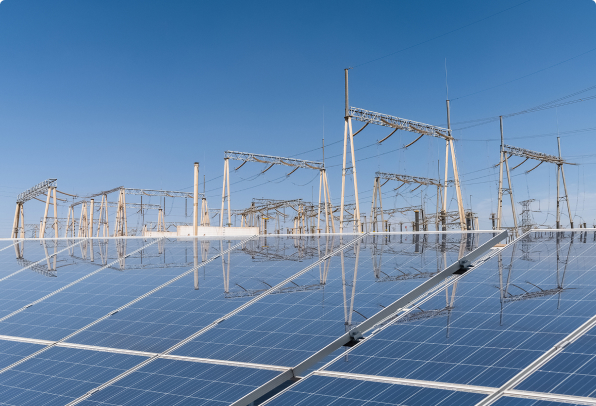
The PELP is a process that is updated every five years and defines different energy scenarios and identifies potential development poles within the country, which allows us to work step by step in the process of energy transformation of great proportions, which in the future will give the sustainable space that we both want as a society. This will serve in the long term to project future scenarios of energy supply and demand in the country and will be inputs for the planning of electricity transmission carried out by the National Energy Commission.
Within the group of researchers and academics that make up the PELP, there are Francisca Jalil (UAI – ISCI) and Rodrigo Moreno (U.Chile – ISCI). They, along with 19 other specialists, follow and work step by step in projecting the energy sector, in order to understand and contextualize the effect of the measures, goals, actions and public policies that must be implemented in this regard.
Francisca Jalil, ISCI researcher at the Energy Group, comments on what is projected in Chile`s energy future: "Except for one of the scenarios involving a slow post-Covid recovery, all projected scenarios point to an energy transition towards carbon neutrality. A high electrification of energy services such as heating and transport is projected, in addition to thermal reconditioning of homes and energy efficiency measures. In addition, a greater share of low-carbon fuels (such as green hydrogen) is expected in the system, coupled with greater penetration of distributed generation. While these are projections of possible scenarios, it could be concluded that if adequate public policies are established, the country could reach carbon neutrality by 2050, along with the other commitments of the NDC such as the reduction of black carbon (associated with firewood and burning of fuels), the contributions of adaptation to climate change, and the aspects associated with the just transition".